Data Centers & Mission Critical
Data centers and other mission critical facilities depend on carefully planned rack layouts and highly coordinated infrastructure. We design structural and civil systems around client-specific module spacing, close integration with MEP for overhead and underfloor distribution, and resilient site utilities that protect uptime and simplify future expansion.
Get In Touch
- 303.431.6100
- info@martinmartin.com

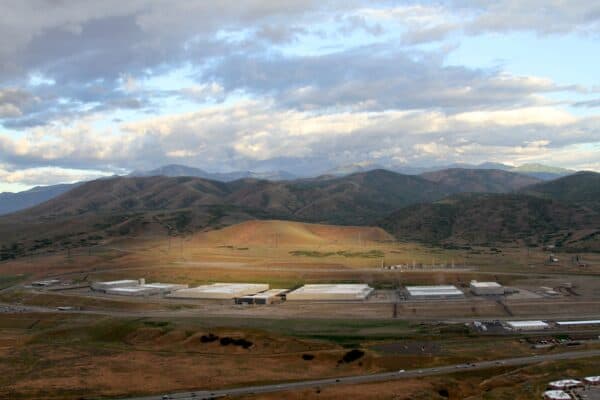
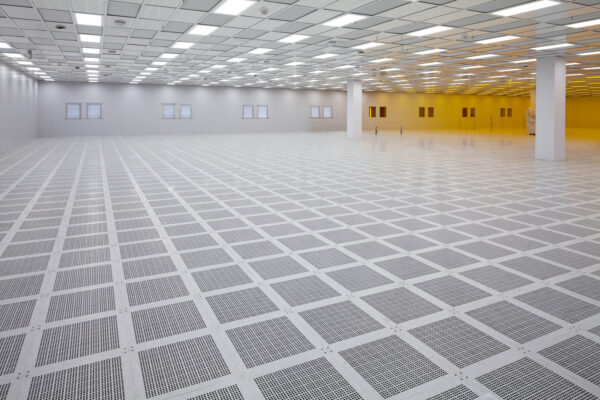
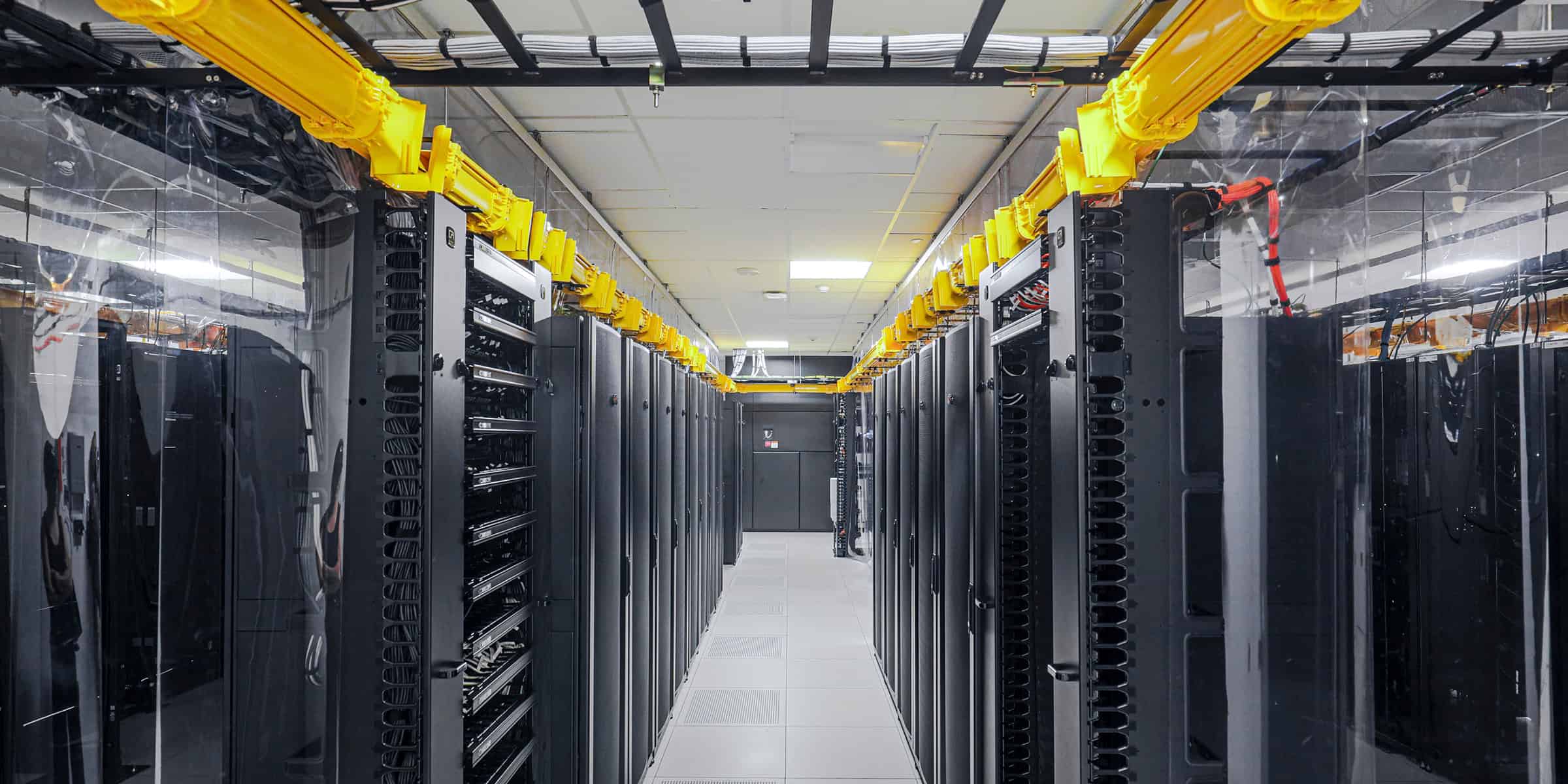
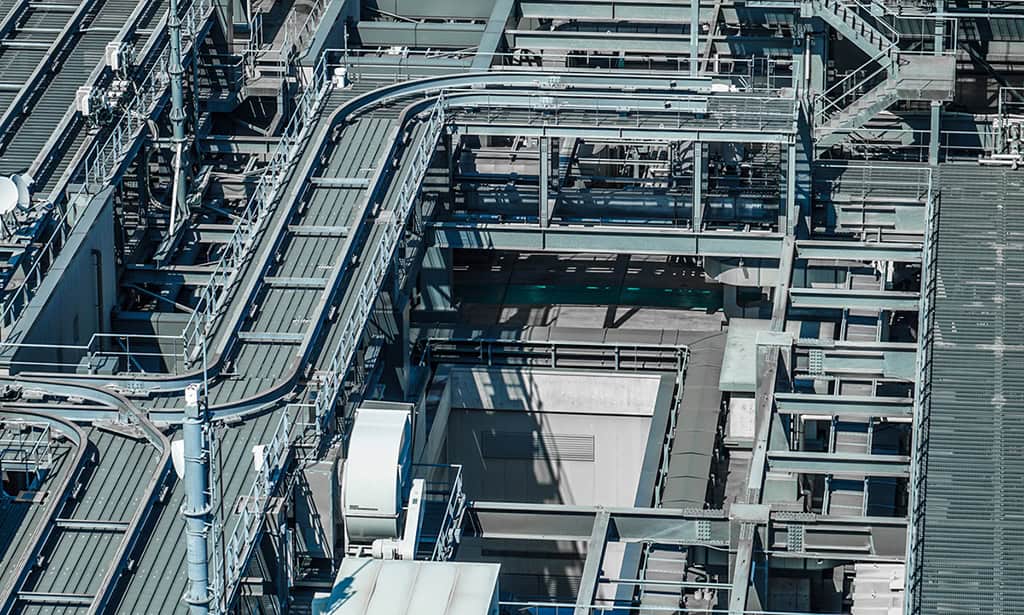
Because of the sensitive nature of these projects, we are often unable to share project imagery. We respect our clients’ confidentiality requirements and associated NDAs. Below are several key considerations we routinely address in the design of these specialized facilities:
Mission-Critical Reliability
Data centers demand uptime. Our civil and structural teams design resilient site and building systems that support redundancy, maintainability, and continuity of operations, whether within an active facility or on a new campus, coordinating early with owners, architects, MEP, and contractors to align performance goals, constructability, and schedule.
Equipment and Yard Support
Critical infrastructure extends beyond the building. We provide civil and structural design for generator yards, fuel systems, cooling equipment areas, screen walls, equipment platforms, and enclosure/support structures accounting for access, replacement paths, anchorage, and installation sequencing for both new construction and retrofit conditions.
Foundations for Heavy, Dense Loads
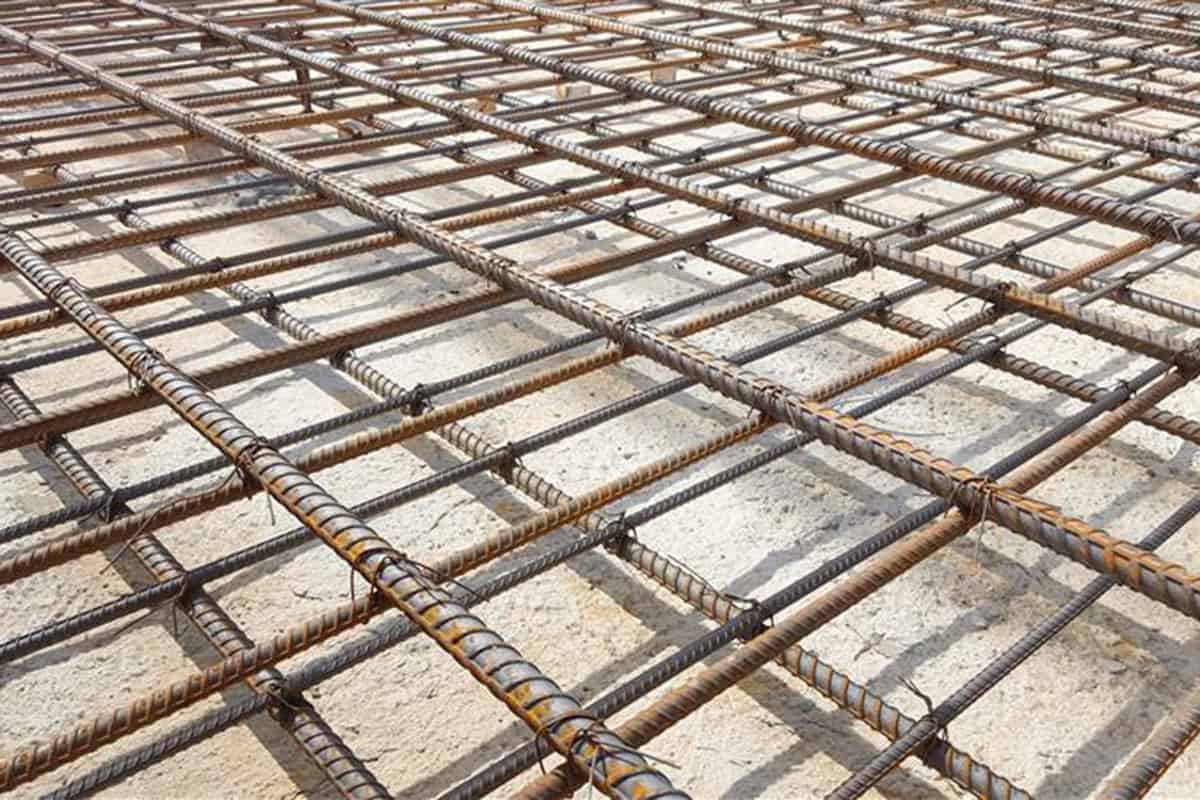
Data halls concentrate loads and require consistent performance. We design foundations, slabs, and support systems for high equipment densities and localized point loads, coordinating with rack layouts, equipment criteria, and underfloor/overhead distribution to support buildability today and flexibility for future change.
Site Access and Logistics
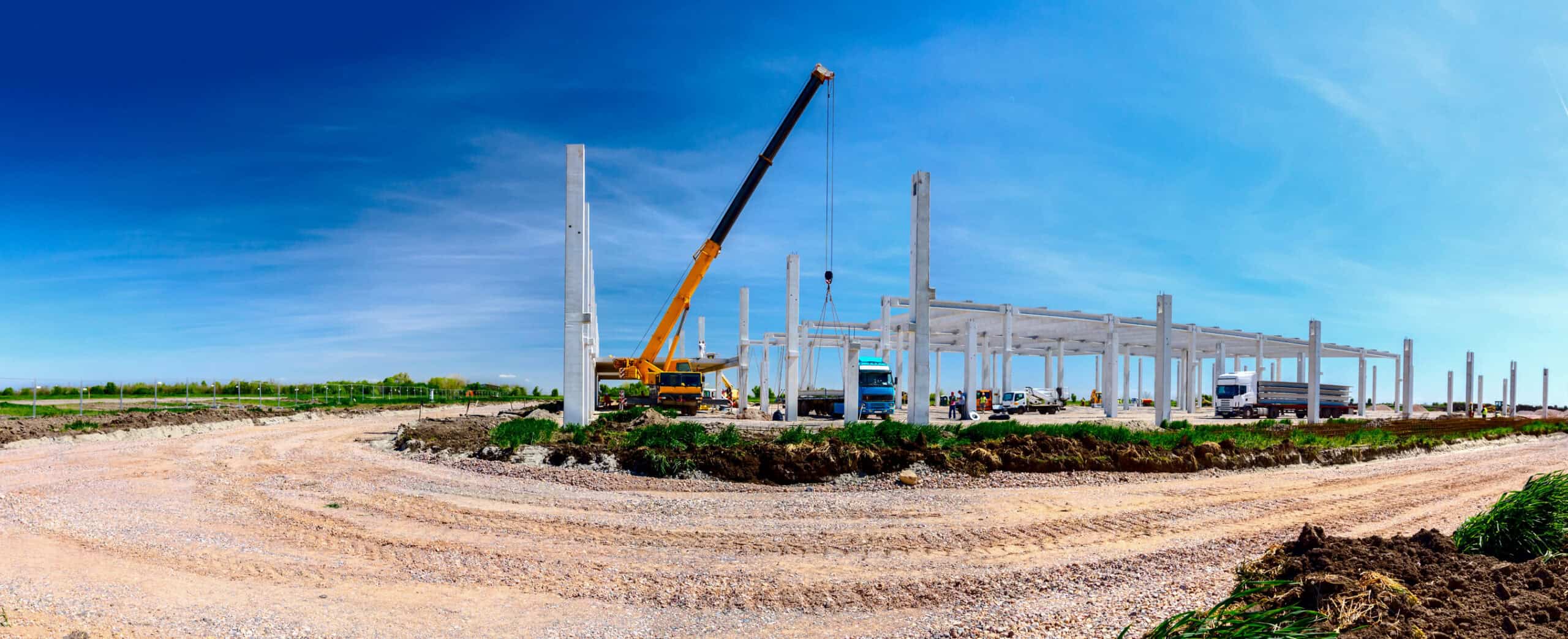
Construction and operations rely on clear, durable circulation. Our teams plan grading, paving, and site geometry to support crane access, deliveries, and maintenance movements, designing pavements, turning radii, and loading areas for heavy vehicles and repeated use across urban infill sites or large-scale campuses.
Stormwater and Site Resilience
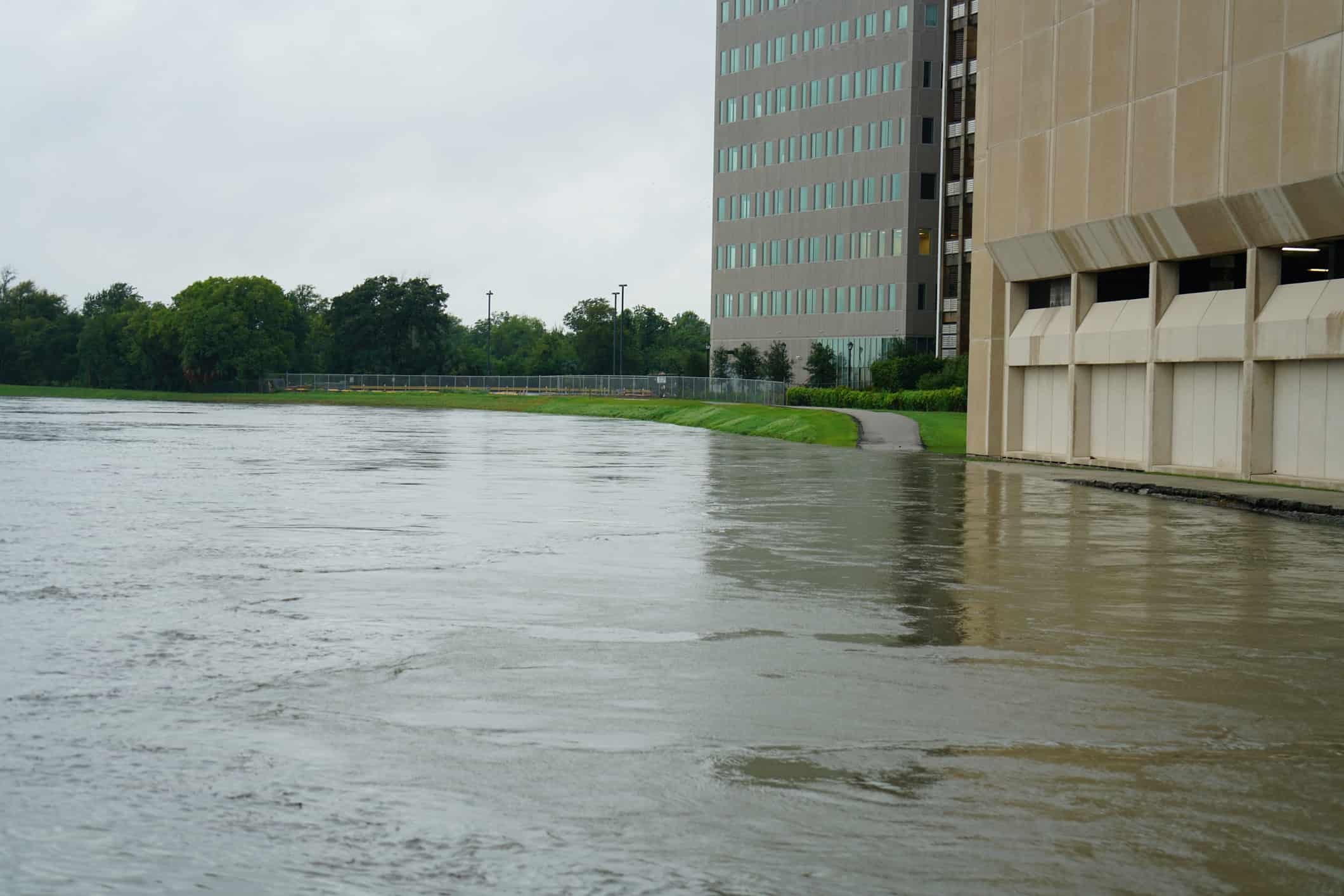
Site resiliency is a design driver. We evaluate drainage patterns, detention/retention strategies, and extreme rainfall considerations, and coordinate civil solutions that protect critical infrastructure, supporting phased expansions, operational constraints, and code compliance without slowing delivery.
Speed-to-Market Delivery
Schedule pressure is constant. We support fast-track delivery with practical structural systems, early foundation and grading packages, and coordinated details that reduce RFIs, working with contractors and fabricators to enable procurement, prefabrication, and predictable field execution for single buildings or repeatable rollouts.
Expansion and Adaptability
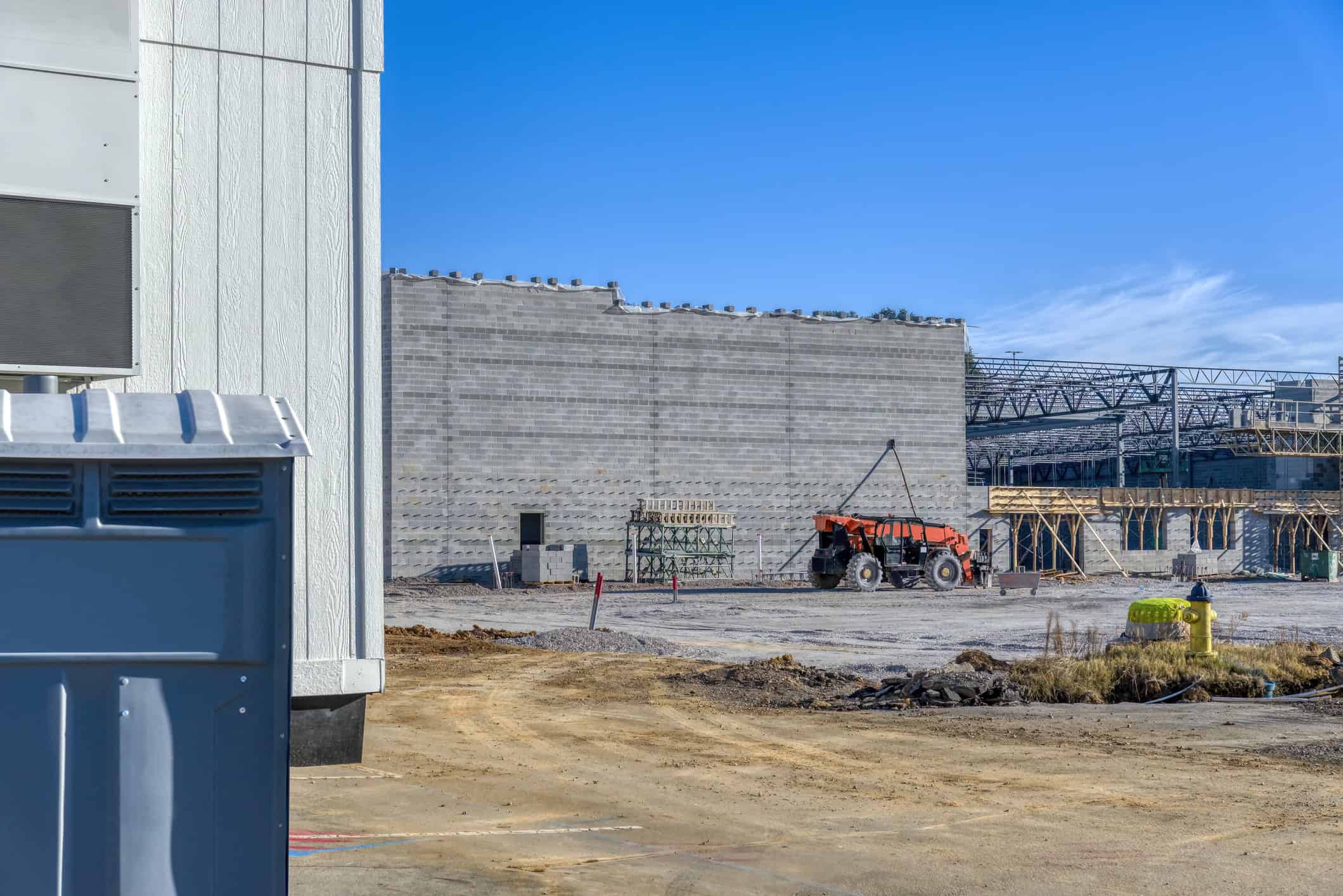
Data centers evolve. We design civil and structural frameworks that anticipate future phases, planning utility corridors, reserving expansion zones, and detailing structural systems that accommodate added equipment, future openings, and operational changes with minimal disruption to live environments.
Resiliency and Risk Integration
Data center resiliency drives critical planning and design decisions. Loss-prevention and insurer requirements, including FM Global, are addressed early in the process and integrated into civil and structural systems. This approach supports risk mitigation, long-term durability, and efficient third-party review while maintaining practical, constructible solutions for both hyperscale and colocation facilities.
Standards published as FM Global Property Loss Prevention Data Sheets, FM Global commonly influences:
- Wind and seismic design criteria
- Flood elevation, site grading, and drainage strategies
- Roof systems, exterior walls, and enclosure performance
- Equipment anchorage and protection against physical damage